Seasonal Stinkbug Activity and When Control Is Most Effective
Understanding seasonal stinkbug activity and when control is most effective helps homeowners connect with local contractors who can provide targeted solutions to manage infestations.
Understanding seasonal stinkbug activity and when control is most effective can help property owners better manage these unwelcome pests. As stinkbugs tend to become more active during certain times of the year, being aware of their patterns can make a significant difference in preventing infestations. Local contractors specializing in stinkbug control are well-versed in these seasonal trends and can provide guidance on the optimal times for treatment, helping to protect homes and properties from invasions.
For property owners in the area, exploring this topic is practical for maintaining a pest-free environment and avoiding potential damage or inconvenience. Local service providers offer solutions tailored to the seasonal behavior of stinkbugs, ensuring that control efforts are timed for maximum impact. Keeping informed about seasonal activity and when control is most effective can empower property owners to take proactive steps, with the support of experienced local contractors who understand the nuances of stinkbug management in the community.
- Seasonal Stinkbug Control - homeowners experiencing increased stinkbug activity in fall and early winter can rely on local contractors to implement effective control measures.
- Seasonal Stinkbug Control - when stinkbugs begin seeking shelter indoors during cooler months, service providers can apply targeted treatments to prevent infestations.
- Seasonal Stinkbug Control - during peak activity seasons, local pros use strategic exclusion and treatment methods to reduce stinkbug populations around properties.
- Seasonal Stinkbug Control - as stinkbug activity declines in late winter and early spring, professionals can help maintain a stinkbug-free environment through preventative services.
- Seasonal Stinkbug Control - when preparing for seasonal changes, local contractors can advise on the best timing for treatments to maximize control effectiveness.
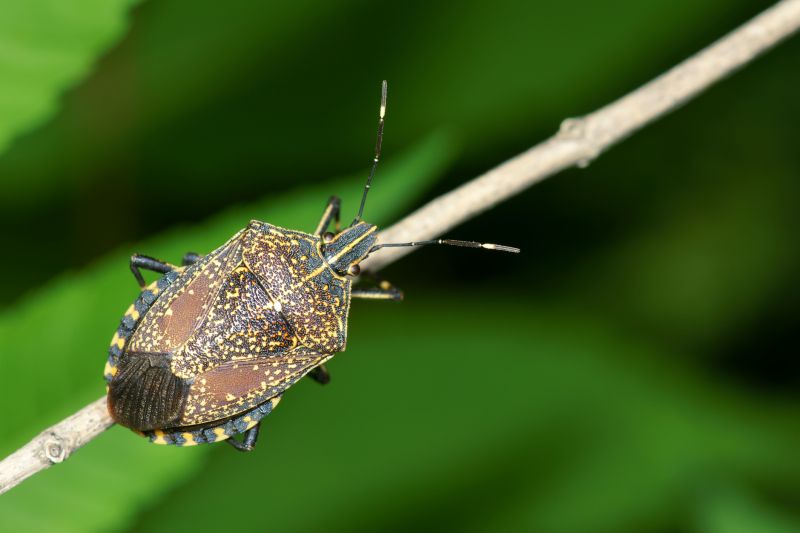
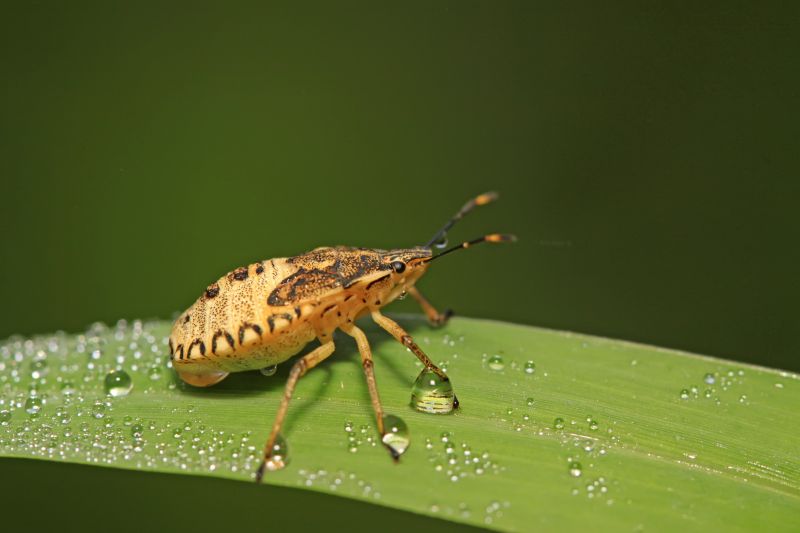
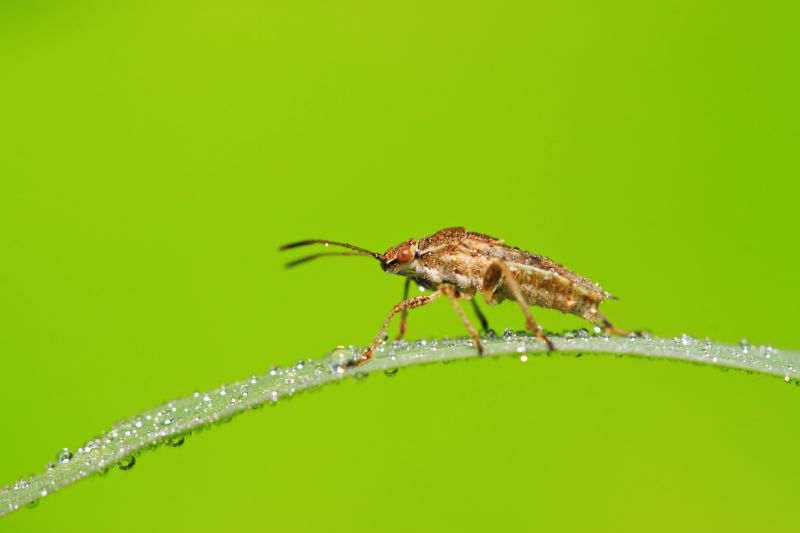
Seasonal stinkbug activity and when control is most effective are common topics for homeowners experiencing an increase in these pests during certain times of the year. When people search for this information, they are often looking to understand the patterns of stinkbug movement and behavior, particularly how their activity levels change with the seasons. This knowledge helps homeowners plan pest management strategies to prevent infestations from developing inside their properties. Typically, the focus is on identifying the times of year when stinkbugs are most likely to invade homes or buildings, so the right control measures can be implemented proactively.
These concerns are especially relevant for properties that serve as residences, but they can also include commercial or agricultural buildings that are susceptible to pest entry. Many property owners are interested in knowing whether seasonal changes influence the likelihood of stinkbug invasions, and how to time their pest control efforts for the best results. The goal is to reduce the nuisance and potential damage caused by these pests, which tend to gather in large numbers and seek shelter as temperatures drop. Understanding the seasonal activity patterns allows homeowners to coordinate with local service providers who can deliver targeted control solutions at the optimal times.
Properties that typically come up in this context include single-family homes, multi-unit residences, farm buildings, and commercial structures with ample entry points or exterior conditions conducive to stinkbug intrusion. These properties often have sheltered areas, such as cracks, vents, or gaps around windows and doors, which attract stinkbugs seeking warmth or refuge. Homeowners with gardens or landscaping close to their homes may notice increased activity during specific seasons, prompting them to seek advice on timing and methods for control. Local contractors experienced in seasonal pest management can evaluate property-specific factors and recommend the most effective control strategies aligned with stinkbug activity cycles.
For homeowners, understanding seasonal stinkbug activity and when control is most effective connects directly to practical pest management efforts. It helps them decide when to implement preventative measures or targeted treatments to minimize invasions. Local service providers can assist by offering timely inspections, barrier treatments, or exclusion techniques that align with peak activity periods. By working with experienced professionals, property owners can better manage stinkbug populations, reduce the nuisance during high-activity seasons, and protect their homes from future invasions. This proactive approach ensures that pest control efforts are both efficient and effective, tailored to the natural patterns of stinkbug behavior throughout the year.
Home inspection services - professionals who assess property conditions can identify signs of stinkbug activity and advise on the best timing for control efforts.
Pest control consultation - local contractors specializing in bug management can develop targeted strategies aligned with seasonal activity patterns.
Seasonal pest monitoring - services that track insect activity throughout the year help determine optimal periods for effective stinkbug control.
Property sealing and exclusion - experts who focus on securing entry points can prevent stinkbugs from infiltrating homes during peak activity seasons.
Wildlife and insect exclusion - specialists can implement barriers to reduce stinkbug intrusion during high activity periods based on seasonal trends.
Landscape and yard treatment - local contractors offering outdoor pest management can help reduce stinkbug populations before they enter indoor spaces.
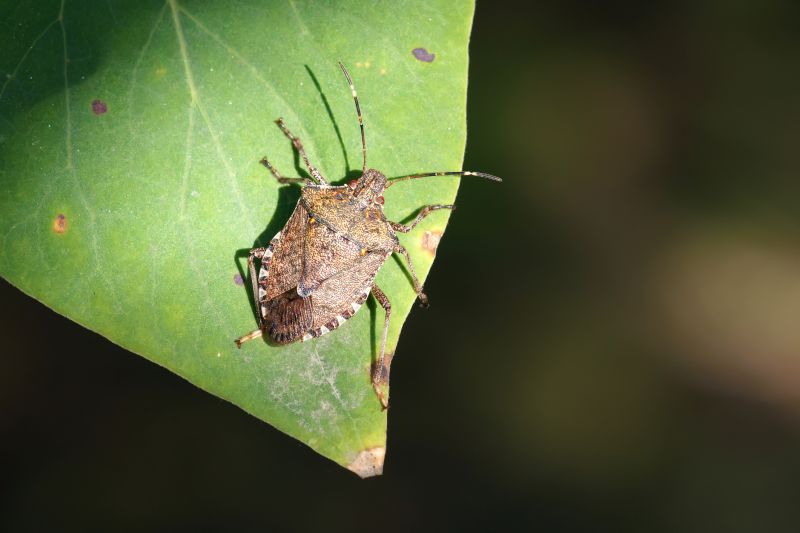
When evaluating local contractors for seasonal stinkbug control, it is important to consider their experience with similar projects. A contractor who has handled seasonal pest activity in your area will be more familiar with the timing and behavior of stinkbugs, as well as the most effective control methods for this specific pest. This experience can help ensure that treatments are applied at the optimal time to reduce stinkbug activity and prevent invasions, especially during peak seasons when control efforts are most effective.
Clear, written expectations are essential when comparing service providers. Homeowners should seek detailed information about what the control services include, the methods used, and what results to anticipate. This clarity helps avoid misunderstandings and ensures that the contractor’s approach aligns with the homeowner’s needs. Good communication from the start can also make it easier to address questions or concerns throughout the process, fostering a smoother experience and more effective management of seasonal stinkbug activity.
Reputable references and a history of quality work are key indicators of a dependable service provider. Homeowners can ask for references or reviews from previous clients who had similar seasonal pest issues. Additionally, a contractor’s willingness to provide transparent information about their experience and approach can be a positive sign. Effective communication and professionalism are vital qualities, helping ensure that the homeowner receives consistent updates and support, which can make a significant difference in managing stinkbug activity during the most critical times of the year.
Property owners often search for seasonal stinkbug activity and when control is most effective when they are planning practical projects around their homes and businesses. Local pros provide Seasonal Stinkbug Control services for everyday jobs and straightforward project options.
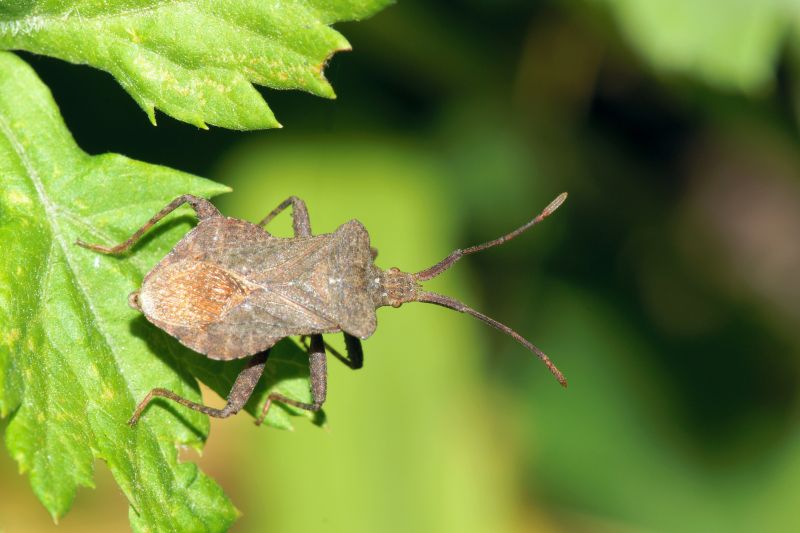
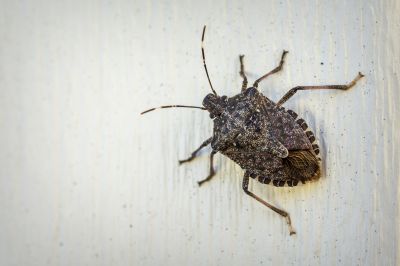
Understanding seasonal stinkbug activity and when control is most effective can help property owners better manage these pests as they emerge during certain times of the year. Typically, stinkbugs become more noticeable in the fall when they seek warmth inside buildings, but their activity can also occur in late summer and early spring. Property owners often look up this topic to learn how to prevent invasions or reduce populations before they become overwhelming, especially during peak periods when stinkbugs are most active and likely to enter homes and structures.
Local contractors who specialize in pest control can provide targeted solutions based on seasonal patterns. They understand the timing of stinkbug activity and can recommend the most appropriate control methods to minimize their presence during critical periods. Connecting with experienced service providers can help property owners implement effective strategies at the right times, ensuring that infestations are managed before they escalate and cause inconvenience.
When does seasonal stinkbug activity typically increase? Seasonal stinkbug activity usually rises in late summer and early fall as they seek indoor shelter for the colder months.
What time of year is most effective for stinkbug control? The most effective time for stinkbug control is during late summer and early fall, before they enter homes in large numbers.
How can local contractors help manage seasonal stinkbug activity? Local contractors can implement targeted treatments and barrier methods during peak activity periods to reduce infestations.
Are there specific seasons when control measures work best? Control measures tend to be most successful when applied just before or during the peak seasons of stinkbug activity.
Why is timing important for seasonal stinkbug control? Proper timing ensures that treatments are most effective in preventing large-scale indoor invasions during high activity periods.
Monitor seasonal stinkbug activity - property owners can work with local contractors to identify peak times of stinkbug presence and plan control measures accordingly.
Schedule preventative treatments - arranging for control services before stinkbug populations increase can help reduce indoor invasions during active seasons.
Seal entry points around the property - local service providers can assist with identifying and sealing gaps to prevent stinkbugs from entering homes during seasonal activity peaks.
Implement ongoing monitoring strategies - property owners can establish regular inspections with local pros to stay ahead of seasonal stinkbug activity and apply control when most effective.
If you are thinking about seasonal stinkbug activity and when control is most effective for a property, this guide is meant to help you understand this topic, the typical project types, and how different options might fit your plans.
When you are ready, you can use the quote form on this page to share a few details about your project. From there, local pros can review the basics and follow up with options that match what you have in mind.