Why Commercial Insect Control Is Different From Residential Pest Control
Commercial insect control aims to address larger, more persistent pest problems in business settings, and local contractors can provide specialized solutions tailored to these needs.
Understanding why commercial insect control is different from residential pest control can help property owners make informed decisions about protecting their spaces. Commercial environments often face unique challenges, such as larger-scale infestations, strict sanitation standards, and the need to minimize disruptions to daily operations. Local service providers specializing in commercial insect control are equipped to handle these specific demands, offering tailored solutions that address the complexities of business settings. Exploring this topic ensures property owners recognize the importance of working with experienced professionals who understand the distinct requirements of commercial spaces.
For those managing retail stores, office buildings, or industrial facilities, the practical reasons to explore commercial insect control are clear. Effective pest management can prevent costly damage, uphold health and safety standards, and maintain a positive reputation. Local contractors who focus on commercial insect control services are familiar with the regulations and best practices necessary to keep these environments pest-free. Keeping reading can provide valuable insights into how specialized pest control approaches differ and why partnering with the right local experts is essential for long-term success.
- Commercial insect control - needed when businesses face persistent pest issues that require tailored treatment plans and ongoing monitoring by experienced service providers.
- Industrial pest management - essential for facilities with large-scale operations where specialized equipment and techniques are used by local contractors to address unique pest challenges.
- Food processing pest control - necessary for food-related businesses that must adhere to strict sanitation standards, with local pros implementing rigorous, site-specific protocols.
- Warehouse pest prevention - required for storage facilities dealing with high volumes of goods, where proactive measures and detailed inspections are performed by local service providers.
- Commercial insect exclusion - used when businesses need to prevent pest entry through structural modifications, with local contractors applying customized solutions for different building types.
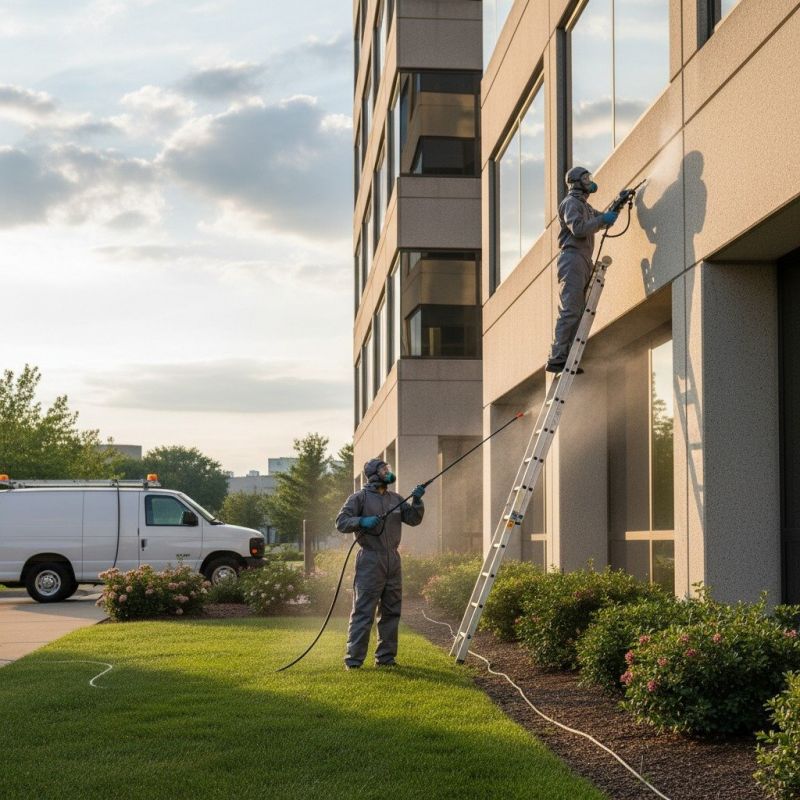
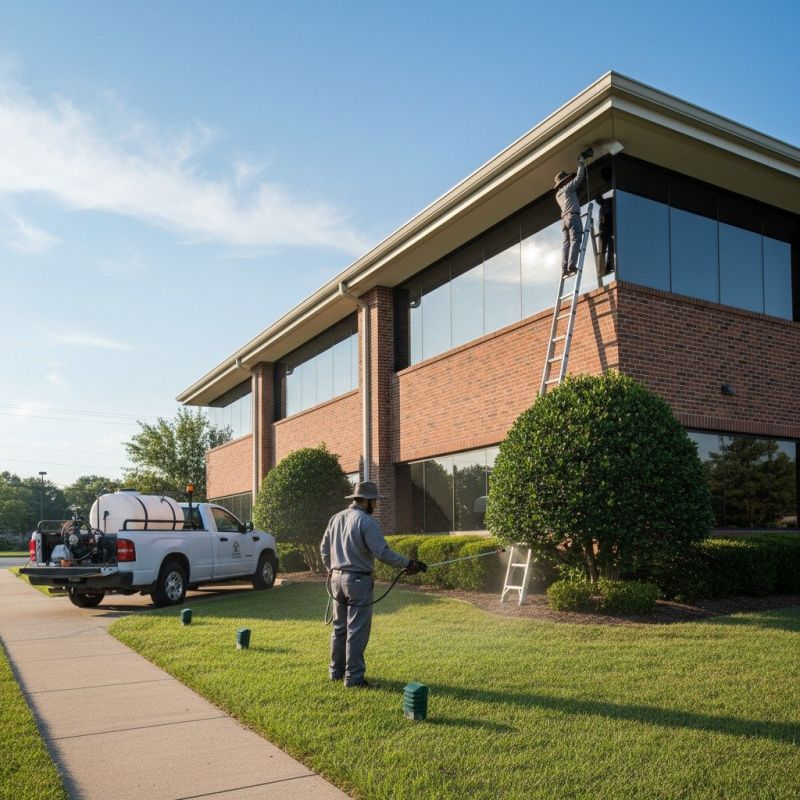
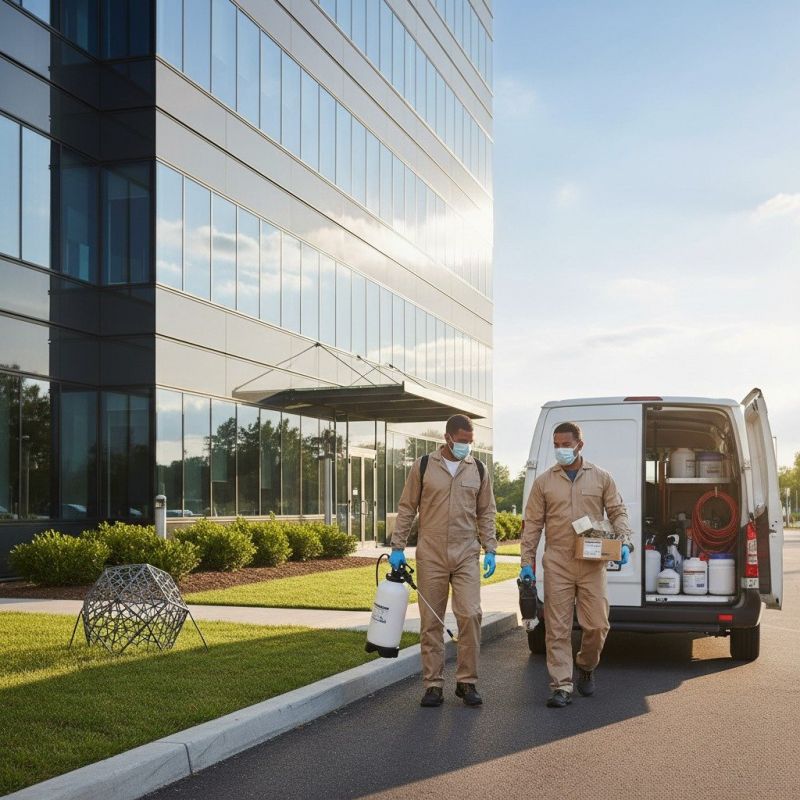
When people search for why commercial insect control is different from residential pest control, they often want to understand how pest management strategies vary between business and home environments. This topic typically relates to addressing specific insect problems that affect commercial properties, such as restaurants, warehouses, or office buildings, which may face different challenges than residential spaces. Homeowners might be familiar with common pests like ants or spiders, but commercial properties can encounter a broader range of insects, including stored product pests, flying insects, or even pests that can threaten health and safety standards. Recognizing these differences helps property owners and managers appreciate the need for specialized approaches and the role local service providers play in customizing pest control plans for commercial settings.
The problems associated with commercial insect control often involve preventing infestations that could disrupt operations or compromise health regulations. For example, food service establishments require strict pest management to meet health codes, while warehouses need to prevent damage to stored goods. These issues demand more comprehensive and frequent treatments compared to residential pest control, which generally focuses on protecting homes from common household pests. Plans for commercial insect control typically involve detailed inspections, targeted treatments, and ongoing monitoring to ensure pests do not re-establish. Local contractors specializing in commercial pest management are equipped to develop strategies that address these unique challenges, ensuring that businesses can operate smoothly without pest-related interruptions or violations.
The types of properties that commonly come up in discussions about commercial insect control include a variety of business environments. Restaurants and food production facilities are often at the top of the list due to strict sanitation standards and the need to prevent contamination. Warehouses, distribution centers, and manufacturing plants also face risks from pests that can damage inventory or create safety hazards. Office buildings, retail stores, and healthcare facilities can encounter insects that threaten cleanliness or customer confidence. Each property type presents different risks and requires tailored pest management solutions. Local service providers understand these distinctions and can adapt their treatments to suit the specific needs of each property, helping to maintain compliance and protect assets.
Understanding why commercial insect control is different from residential pest control helps property owners see the importance of engaging specialists who focus on business environments. Commercial settings often involve larger areas, higher foot traffic, and stricter regulations, all of which influence pest management approaches. Local pros experienced in commercial pest control are familiar with the unique challenges faced by different property types and can develop plans that are both effective and compliant with industry standards. This specialized knowledge ensures that pest issues are addressed thoroughly, reducing the risk of infestations that could impact health, safety, or business operations. For homeowners and property managers alike, connecting with local commercial pest control providers offers a practical way to safeguard their properties against pests with strategies designed specifically for their environment.
Industrial pest management involves large-scale treatments and strategic planning similar to commercial insect control, requiring expertise in handling high-traffic environments.
Food processing facility sanitation demands strict pest prevention measures that align with commercial insect control techniques to meet industry standards.
Warehouse pest prevention involves inspecting vast storage areas and implementing targeted treatments, paralleling the planning needed for commercial insect control.
Hospital sanitation services require meticulous pest control protocols to maintain hygiene standards, similar to those used in commercial insect management.
Restaurant pest control focuses on maintaining sanitary conditions and preventing infestations, which shares strategies with commercial insect control approaches.
Public space sanitation projects involve large-area pest management plans that require coordination and specialized tools akin to commercial insect control services.
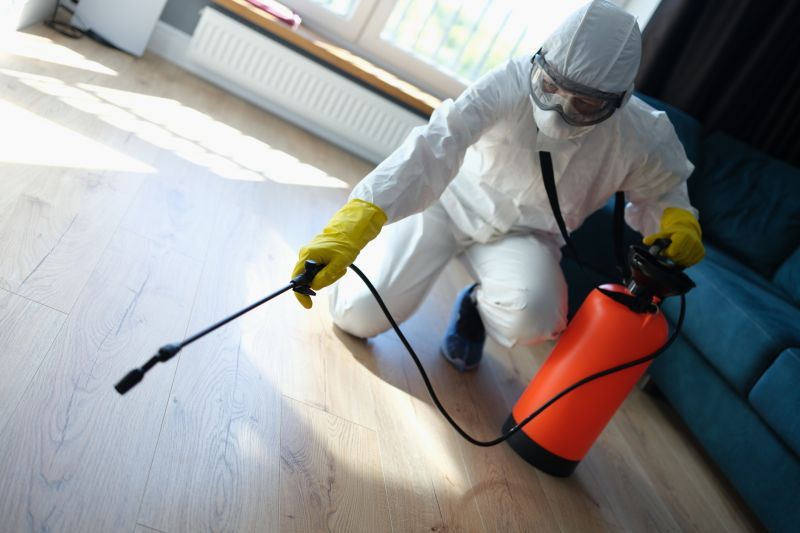
When evaluating service providers for commercial insect control, it is important to consider their experience with similar projects. Commercial environments often require specialized approaches due to the scale, layout, and specific pest challenges that differ from residential settings. Homeowners should inquire about the contractor’s background in handling commercial properties comparable to their own, ensuring they have a proven track record with the types of pests and complexities involved. This experience helps ensure that the chosen professional understands the unique aspects of commercial insect control and can tailor solutions to meet the specific needs of the business or facility.
Clear written expectations are essential when comparing local contractors for commercial insect control services. A reputable provider should be able to outline the scope of work, treatment methods, and follow-up procedures in a straightforward manner. This transparency allows homeowners to understand exactly what services will be performed and helps prevent misunderstandings. Detailed documentation also provides a record of the service plan, which can be useful for future reference or inspections. Ensuring that expectations are clearly communicated and documented can contribute to a more effective and satisfactory pest management experience.
Reputable references and good communication are key factors in selecting the right service provider for commercial insect control. Local contractors with positive references from previous commercial clients demonstrate their ability to deliver consistent results and handle the specific demands of business environments. Good communication throughout the process ensures that homeowners are kept informed about treatment plans, potential disruptions, and any necessary follow-up actions. This ongoing dialogue can help build confidence that the contractor is responsive, professional, and capable of managing the complexities involved in commercial insect control, ultimately leading to a more successful pest management outcome.
Property owners often search for why commercial insect control is different from residential pest control when they are planning practical projects around their homes and businesses. Local pros provide Commercial Insect Control services for everyday jobs and straightforward project options.
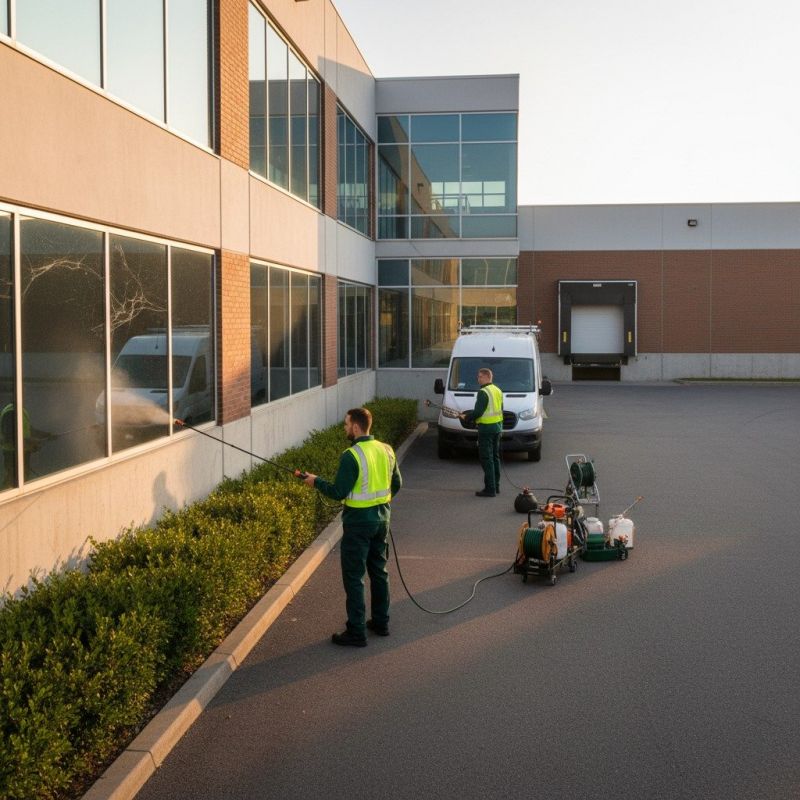
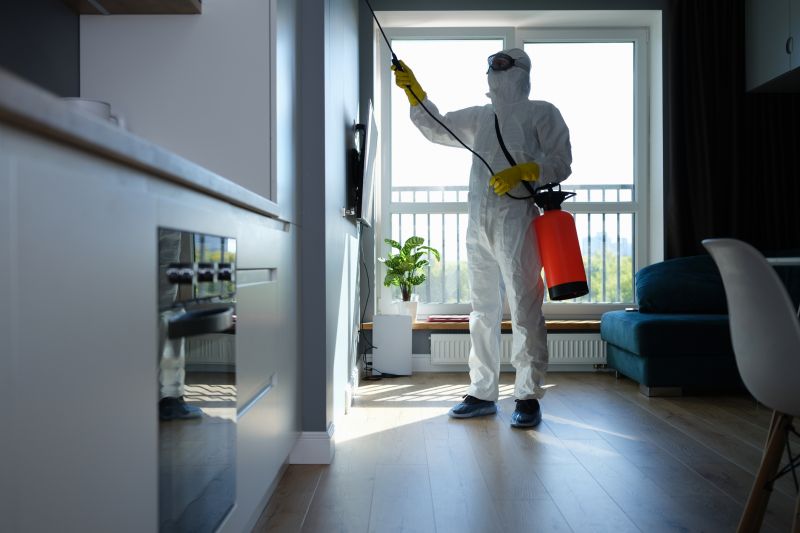
Understanding why commercial insect control is different from residential pest control helps property owners recognize the unique demands of managing pests in business environments. Commercial settings often experience higher foot traffic, larger spaces, and different types of pests compared to homes, requiring specialized strategies and equipment. Local contractors who provide commercial insect control services are equipped to handle these larger-scale projects, ensuring that pest management efforts meet the specific needs of businesses, warehouses, or retail spaces. Property owners in the area might seek out these services to maintain a pest-free environment that aligns with health regulations and customer expectations.
For those managing commercial properties, it’s important to work with service providers familiar with the distinct challenges involved in pest control for business settings. Unlike residential treatments, commercial insect control often involves more rigorous planning, targeted treatments, and ongoing monitoring to prevent infestations from disrupting operations. Local service providers who specialize in commercial pest management understand these differences and can tailor solutions that address the scale and complexity of commercial spaces. This expertise helps property owners maintain a clean, pest-free environment that supports their business activities effectively.
How does commercial insect control differ from residential pest control in approach? Commercial insect control services typically involve more comprehensive strategies tailored to larger-scale facilities, with a focus on preventing infestations that could disrupt business operations.
Why do commercial insect control services require different treatment methods? Commercial environments often have unique structural features and higher occupancy levels, necessitating specialized treatment techniques that are different from standard residential pest control.
What types of pests are commercial insect control services designed to target? Local service providers focus on pests that commonly affect businesses, such as stored product pests, roaches, and flies, which may require different management approaches than residential pest issues.
How do the frequency and scope of commercial insect control visits compare to residential services? Commercial pest control typically involves more frequent visits and broader coverage to meet the demands of large or sensitive environments, unlike residential services which may be less intensive.
What should businesses consider when choosing a commercial insect control provider? Businesses should look for local contractors experienced in commercial settings, capable of implementing tailored strategies that address the specific needs of their industry and facility.
Understanding pest types - Commercial insect control often involves managing a wider variety of pests specific to business environments, which requires tailored strategies from local contractors.
Facility-specific treatments - Property owners can plan pest management around the unique layout and use of commercial spaces, with local pros customizing treatment plans accordingly.
Regulatory compliance - Businesses may need to follow industry-specific pest control regulations, and local service providers can help ensure these standards are met effectively.
Preventive measures - Commercial properties often implement ongoing prevention strategies, such as sanitation and structural modifications, guided by local pros to reduce future infestations.
If you are thinking about why commercial insect control is different from residential pest control for a property, this guide is meant to help you understand this topic, the typical project types, and how different options might fit your plans.
When you are ready, you can use the quote form on this page to share a few details about your project. From there, local pros can review the basics and follow up with options that match what you have in mind.